
Navigating Safety Regulations for Commercial Drone Cleaning Operations
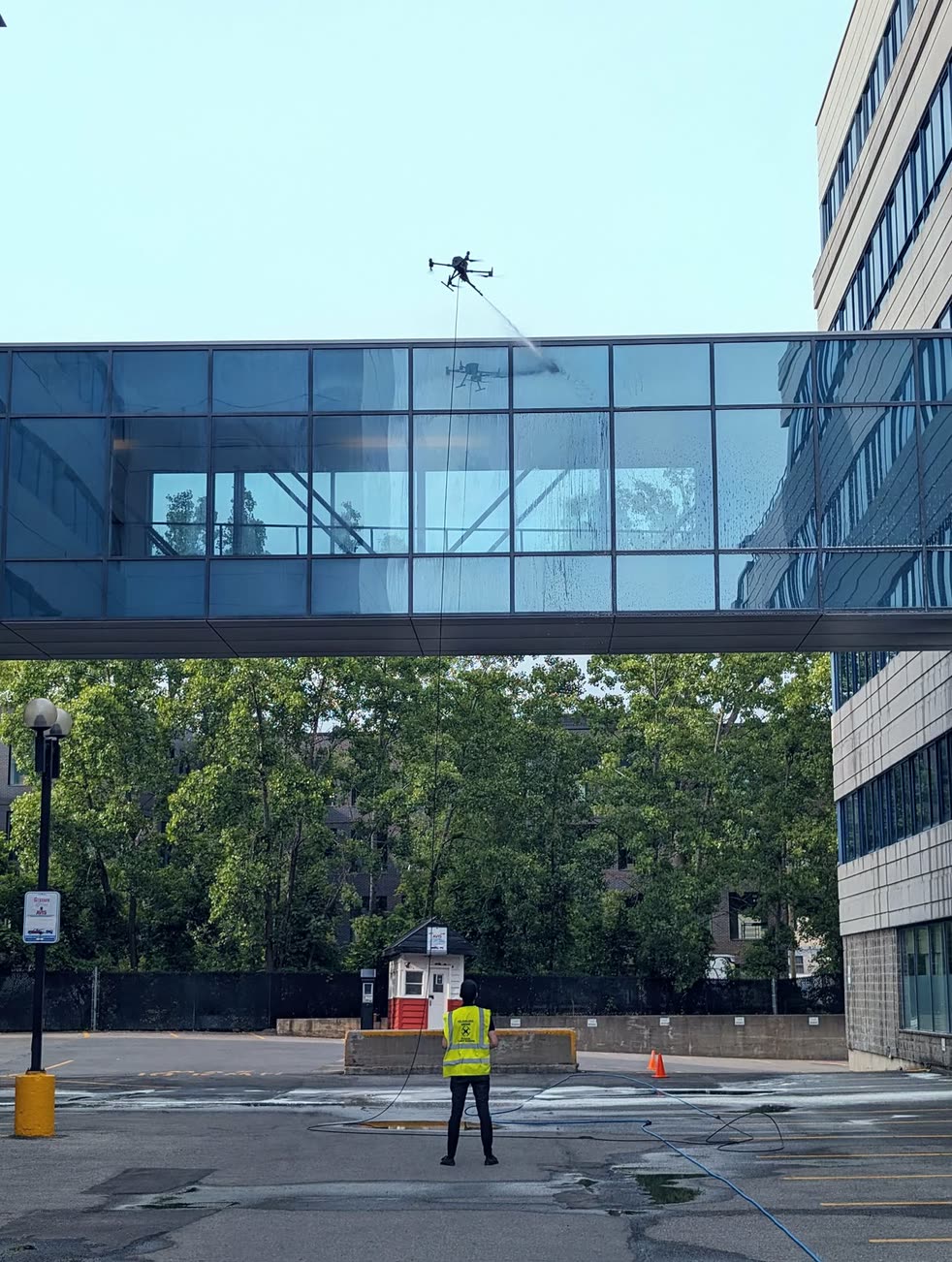
Understanding the Regulatory Landscape for Commercial Drone Operations
Commercial drone cleaning operations exist at the intersection of multiple regulatory frameworks: aviation safety, workplace safety, environmental protection, and municipal building codes. Navigating this complex landscape requires a systematic approach that treats compliance not as an obstacle but as a foundational element of professional operations.
This comprehensive guide covers the regulatory requirements, certification processes, and best practices that professional drone cleaning operators must understand and implement to operate legally, safely, and profitably.
United States: FAA Regulations
FAA Part 107: The U.S. Framework
In the United States, commercial drone operations are governed primarily by FAA Part 107 regulations, established in 2016 and regularly updated. Understanding these requirements is essential for any commercial drone cleaning operation.
Remote Pilot Certificate Requirements:
Every operator controlling a drone for commercial purposes must hold a Remote Pilot Certificate with a small UAS rating. This requires:
- Minimum age of 16 years
- Ability to read, speak, write, and understand English
- Physical and mental fitness to safely operate a drone
- Passing an initial aeronautical knowledge test covering airspace classification, weather, flight operations, and regulations
- Biennial knowledge recurrency testing to maintain certification
Operational Limitations Under Standard Part 107:
Standard Part 107 operations are subject to specific limitations that directly affect cleaning operations:
- Maximum altitude of 400 feet above ground level (AGL)
- Daylight-only operations (civil twilight with anti-collision lighting)
- Visual line of sight (VLOS) must be maintained at all times
- No operations over non-participating persons without waivers
- No operations in controlled airspace without authorization
- Maximum ground speed of 100 mph (though cleaning operations rarely approach this)
FAA Waivers and Authorizations
Many commercial cleaning operations require capabilities beyond standard Part 107 limitations. The FAA waiver process allows operators to conduct operations outside these limits when safety can be demonstrated.
Common Waivers for Cleaning Operations:
Operations Over People: Building cleaning often occurs near pedestrian areas. The FAA's Category 1-4 system now provides pathways for operations over people based on drone weight and impact kinetic energy. For heavier cleaning payloads, specific waivers may still be required.
Night Operations: While Part 107 now allows night operations with appropriate lighting, complex building environments may require additional waiver provisions for enhanced safety measures.
Beyond Visual Line of Sight (BVLOS): For very large buildings or facade sections that extend beyond visual range, BVLOS waivers may be necessary. These require robust detect-and-avoid capabilities and operational procedures.
Low Altitude Authorization and Notification Capability (LAANC):
For operations in controlled airspace, LAANC provides near-real-time authorization for flights in approved areas. Understanding LAANC grid altitudes and authorization procedures is essential for urban building cleaning operations, which frequently occur near airports or in controlled airspace.
Canada: Transport Canada Regulations
Canadian Aviation Regulations (CARs) Part IX
Canada has established a comprehensive regulatory framework for drone operations under Transport Canada's jurisdiction. Commercial drone cleaning operators must understand and comply with these requirements.
RPAS Pilot Certificate Requirements:
Transport Canada requires pilots to obtain an RPAS (Remotely Piloted Aircraft System) pilot certificate for commercial operations:
- Basic Operations Certificate: For operations in uncontrolled airspace, more than 30m horizontally from bystanders
- Advanced Operations Certificate: Required for operations in controlled airspace, over bystanders, or within 30m of bystanders
- Passing the Small Advanced Exam for advanced operations
- Flight review with a certified instructor for advanced certificate
Drone Registration:
All drones between 250g and 25kg must be registered with Transport Canada and display the registration number on the aircraft.
Operational Requirements:
- Maximum altitude of 122 meters (400 feet) AGL
- Must maintain visual line of sight at all times
- Cannot fly closer than 30m to people (basic) or over people without advanced certification
- Operations in controlled airspace require authorization through NAV CANADA's drone management system
Special Flight Operations Certificate (SFOC):
For operations that fall outside standard permissions, operators may need to apply for an SFOC. This includes operations requiring BVLOS, night flights without proper lighting, or flights in restricted areas.
European Union: EASA Regulations
EU Drone Regulation Framework
The European Union Aviation Safety Agency (EASA) has established a harmonized regulatory framework that applies across EU member states, providing consistency for operators working in multiple countries.
Operation Categories:
EASA categorizes drone operations into three risk-based categories:
Open Category: Low-risk operations with minimal requirements. Limited to visual line of sight, maximum height of 120m, and specific drone weight classes (C0-C4). Most building cleaning operations exceed Open category limitations.
Specific Category: Medium-risk operations requiring operational authorization. Commercial cleaning operations typically fall here, requiring:
- Operational authorization from national aviation authority
- Risk assessment using SORA (Specific Operations Risk Assessment) methodology
- Operations manual and standard procedures
- Adequate insurance coverage
Certified Category: High-risk operations requiring aircraft certification, licensed operators, and oversight similar to manned aviation. Rarely applicable to cleaning operations.
Pilot Competency Requirements:
- A1/A3 certificate for Open category (online training and exam)
- A2 certificate for flights close to people (additional training and proctored exam)
- Specific category requires competency demonstration approved by national authority
Drone Registration and Identification:
- Operators must register with their national aviation authority
- Drones must display registration number
- Remote ID capability required for most commercial operations
Cross-Border Operations:
One advantage of the EASA framework is mutual recognition—authorizations granted in one EU member state are generally valid across the EU, simplifying operations for companies working internationally.
Workplace Safety Regulations
OSHA Considerations in the United States
While drone operations eliminate traditional fall hazards, they introduce new safety considerations that fall under Occupational Safety and Health Administration (OSHA) jurisdiction.
General Duty Clause Compliance:
OSHA's General Duty Clause requires employers to provide workplaces free from recognized hazards. For drone operations, this includes:
- Establishing safe operating procedures for drone launch, flight, and recovery
- Providing appropriate personal protective equipment (PPE) for ground operations
- Training workers on emergency procedures for drone malfunctions
- Implementing controls for electrical hazards from batteries and charging equipment
Hazard Communication:
Cleaning chemicals used in drone operations fall under OSHA's Hazard Communication Standard. Operators must maintain Safety Data Sheets (SDS) for all chemicals, provide appropriate training, and ensure proper labeling of all containers.
Ground Crew Safety
Even though primary operators work from ground level, comprehensive safety procedures are essential:
Exclusion Zones:
Establishing and maintaining clear zones around launch/landing areas and beneath active flight paths protects both crew members and bystanders from potential falling objects or drone contact.
Communication Protocols:
Clear communication between the pilot, visual observers, and ground crew ensures coordinated operations. Many professional operations use standardized radio protocols adapted from manned aviation.
Emergency Procedures:
Written emergency procedures must address:
- Loss of control link
- Battery emergencies
- Water system failures
- Collision or near-miss events
- Injury response protocols
Environmental Regulations
Water Discharge and Runoff
Building cleaning operations generate wastewater that may be subject to environmental regulations depending on jurisdiction and cleaning chemicals used.
Clean Water Act Considerations:
In the U.S., the Clean Water Act regulates discharge of pollutants into waters. While most building cleaning runoff flows to municipal storm systems, operators must understand local requirements for:
- Use of biodegradable cleaning agents
- Containment of runoff from cleaning operations
- Reporting requirements for chemical discharge
Best Management Practices:
Professional operators implement practices including:
- Using environmentally friendly cleaning solutions
- Minimizing water usage through precision application
- Coordinating with building management on drainage and containment
- Documenting chemical usage and dilution ratios
Insurance Requirements
Aviation Liability Coverage
Commercial drone operations require specialized aviation liability insurance that covers:
Hull Coverage:
Protection for the drone itself and associated equipment against damage or loss. Policies should cover the full replacement value of the cleaning system, including drone, payload, ground equipment, and accessories.
Third-Party Liability:
Coverage for property damage and bodily injury caused by drone operations. Minimum coverage levels vary by jurisdiction and client requirements, but professional operators typically carry $1-5 million in liability coverage.
Policy Considerations:
When selecting aviation insurance, consider:
- Coverage for tethered operations (some policies exclude these)
- Coverage for water/liquid payloads
- Geographic coverage for multi-state or international operations
- Named insured status for clients when required by contracts
General Liability and Workers' Compensation
Beyond aviation-specific coverage, operators need standard business insurance:
Commercial General Liability (CGL):
Covers non-aviation related liability including premises liability, completed operations, and contractual liability. Many clients require proof of CGL coverage in addition to aviation liability.
Workers' Compensation:
Required in most jurisdictions for employers, workers' compensation covers employee injuries and provides wage replacement and medical benefits. Rates for drone operations are typically significantly lower than traditional at-height window cleaning.
Site-Specific Compliance and Permitting
Municipal Permits and Notifications
Local requirements vary significantly by jurisdiction. Common requirements include:
Business Licensing:
Many municipalities require business licenses for commercial operations within their boundaries. Some cities have specific licensing categories for drone operations.
Street and Sidewalk Permits:
When ground operations affect public rights-of-way, permits may be required for equipment staging, safety barricades, or temporary closures.
Noise Ordinances:
While drones are generally quieter than traditional equipment, some jurisdictions have restrictions on operating hours or noise levels that affect scheduling.
Building Owner Requirements
Professional operators must work with building management to ensure compliance with:
Insurance Requirements:
Most commercial buildings require contractors to provide certificates of insurance naming the building owner as additional insured.
Access Agreements:
Written agreements covering scope of work, scheduling, safety responsibilities, and liability allocation protect both operators and building owners.
Tenant Notifications:
Building management may require advance notice to tenants of cleaning operations, particularly for operations that may affect window visibility or building access.
Documentation and Record-Keeping
Required Records
Professional drone operations require comprehensive documentation:
Flight Logs:
Detailed records of each flight including date, time, location, duration, operator, weather conditions, and any incidents or observations. Digital logging systems can automate much of this documentation.
Maintenance Records:
Documentation of all maintenance performed on drone and ground equipment, including scheduled inspections, component replacements, and repairs.
Training Records:
Evidence of initial and recurrent training for all personnel, including certifications, test results, and competency evaluations.
Incident Reports:
Detailed documentation of any incidents, near-misses, or safety concerns, along with corrective actions taken.
Retention Requirements
FAA regulations require retention of records for specific periods:
- Remote pilot certificates must be carried during operations
- Maintenance logs should be retained for the life of the equipment
- Flight logs should be retained for at least 3 years
- Training records should be retained for the duration of employment plus additional years per company policy
Training and Competency Requirements
Initial Training Programs
Comprehensive initial training should cover:
Regulatory Knowledge:
Understanding of applicable aviation regulations, airspace requirements, and operational limitations.
Flight Operations:
Practical flight training including normal operations, emergency procedures, and building-specific techniques.
Cleaning System Operation:
Training on pump systems, water delivery, chemical handling, and cleaning techniques for various facade materials.
Safety Procedures:
Site assessment, hazard identification, emergency response, and communication protocols.
Recurrent Training
Ongoing proficiency requires:
Regulatory Updates:
Annual or semi-annual updates on regulatory changes and new requirements.
Flight Proficiency:
Regular flight practice to maintain skills, particularly for emergency procedures that are rarely used in normal operations.
Equipment Updates:
Training on new equipment, software updates, and procedural changes.
Building a Compliance Culture
Standard Operating Procedures
Written SOPs ensure consistent, compliant operations across all personnel and job sites. Effective SOPs cover:
- Pre-flight planning and authorization procedures
- Equipment inspection and setup protocols
- Flight operations procedures
- Emergency response procedures
- Post-flight documentation and equipment storage
Internal Auditing
Regular internal audits help identify compliance gaps before they become problems:
- Review of documentation for completeness and accuracy
- Observation of field operations for procedural compliance
- Verification of training currency for all personnel
- Assessment of equipment condition and maintenance status
Conclusion: Compliance as Competitive Advantage
Thorough regulatory compliance is not merely a legal requirement—it's a competitive advantage. Clients increasingly recognize that properly licensed, insured, and trained operators deliver better results with lower risk.
Professional operators who invest in compliance infrastructure benefit from:
- Access to higher-value contracts with sophisticated clients
- Lower insurance costs through demonstrated risk management
- Reduced liability exposure through documented procedures
- Improved operational efficiency through standardized processes
The regulatory landscape for commercial drone operations continues to evolve. Operators who build robust compliance systems position themselves for long-term success as regulations mature and the industry professionalizes.
Ready to transform your building maintenance?
Discover how WINDOSMART drone cleaning systems can reduce costs, improve safety, and deliver superior results for your operations.
Request a quote